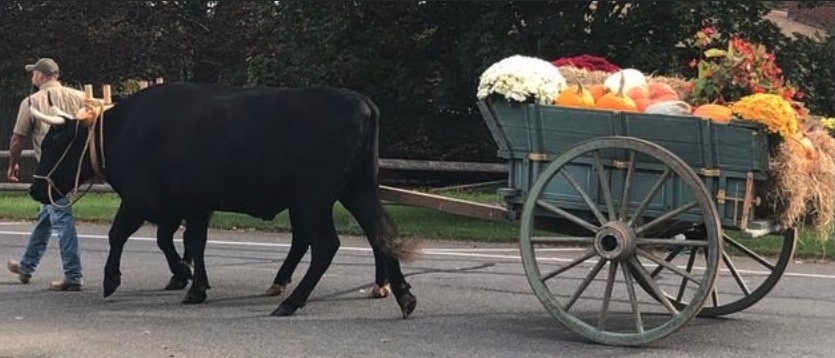
My parents were not religious in any way, but they did have a spiritual practice: Democracy. They believed in it whole-heartedly. They defended it with their lives (WWII and Korea) and they voted for anything they could, religiously. That is my religion, too. You can touch democracy in a small rural town. And in the face of recent events in the U.S.—the murders of citizens by ICE—we still cling to our faith, in democracy.
Like a work of art, democracy is aspirational. There are hundreds of iterations of the U.S. version throughout history in service to a final product. Sometimes, for a few moments, the country gets it right, and then something happens, something changes, and it slides into failure again. Then it slowly creeps forward after much investigation and discussion — and sometimes after many people have died.
An accountant running for re-election as County Comptroller literally walked miles explaining what he’d accomplished in his time in the job — and what he actually did in the job.
I live in Pine Plains, NY, pop. 2200, in Dutchess County, about 90 miles north of New York City. It’s where FDR lived. At the beginning of 2025, the county pretty much voted like every other county in upstate New York: Republican. The Republicans were entrenched after many years and not giving up their way of seeing and doing things. But by the end of 2025, the Democrats had flipped five seats in the legislature and numerous seats on town councils across the county. How did they do it?
They did it by going local. By participating in government. By focusing not on party affiliation, but on local issues. And by choosing strong, competent people to run against people who’d proven themselves to be more interested in a national agenda than in where they are. They reached out to independents and their own disgruntled members who’d stopped voting for anyone and showed them what Democrats could do.
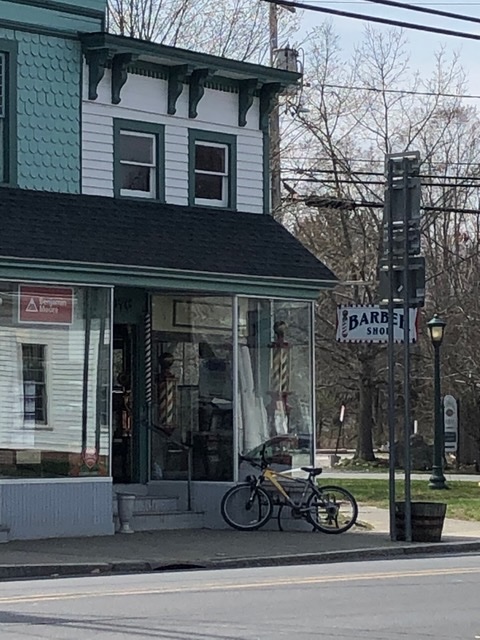
They did it not by dividing people but by bringing them together in a shared task. A town can come together from all sides of the political spectrum and build a playground. A playground is in plain sight, and a demonstration of a local mother’s ability to collaborate and organize a good thing for the whole community. An accountant running for re-election as County Comptroller literally walked miles explaining what he’d accomplished in his time in the job — and what he actually did in his job. Educating the public about what a Comptroller does turned out to be key to his re-election.
The Internet revolution is allowing many urban people to move upstate in order to be able to afford homes and to participate in the place where they live in a significant way, while also working at home. So, artists have moved upstate and their award-winning work become a part of the fabric of small towns. The arts and journalistic coverage of the arts is spreading new ideas to places that were once unable to access them. Small town arts centers have sprung up as town councils have come to terms with the fact that the arts bring in revenue. The lonely isolation of the small town is melting as arts centers bring people together for line-dancing and concerts.
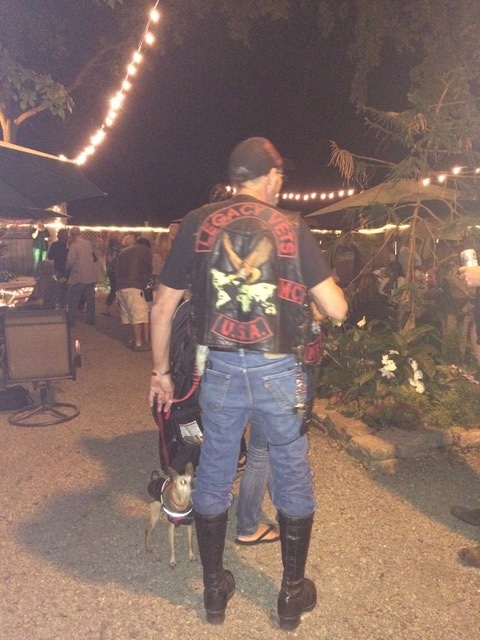
But Democrats also had to come to terms with the fact that the Democratic brand was in the toilet at the national level. Their hyper partisan message would not work in a swing county. (Who would that message move here?) During the last election, the Republican Party at the county level here put up big red signs in every town which read: Vote Republican, Common Sense. According to a Democratic campaign official, who got her candidates elected, “The Dems got so pissed off! They wanted us to make our own partisan sign, but we said no. I saw that as a good thing. It got them out to vote!” The key to the ticket was to find the best people to run, not to resort to rhetoric. No need at all to spend money on a blue sign that would wind up in a landfill polluting the future.
The Democrats promoted competent people. They reached out to independents and low-lying Dems by showing them real plans for improvement, real competence, and by finding common ground in what everyone wants. They searched for, chose, and supported able people to take and keep positions—because you can’t bullshit when progress is obvious. And they went door-to-door with the candidates meeting and talking to people. It was old-fashioned, it was up close and personal, and it was all local.
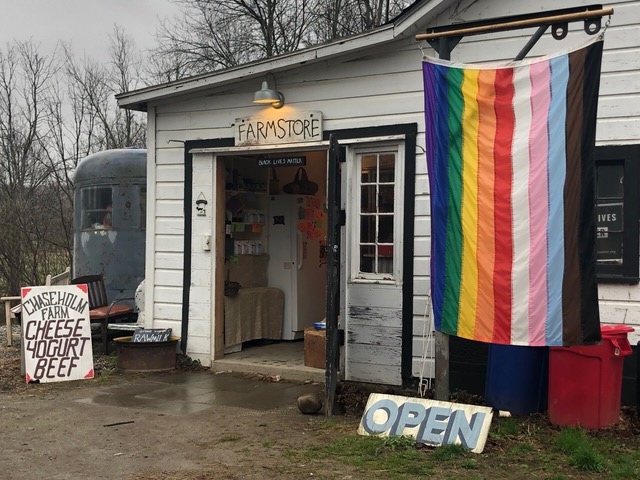
In rural areas there is often these days no real gathering place anymore. Schools have shut down, the old dive bars and dance halls are gone. Only libraries and town halls stand firm as places where people can gather as a community. The work of making a small town better is itself a gathering place. And that extends to a county.
This kind of thing is demonstrated over and over again. Turning a town council around from fighting to collaborating is exciting and the only hope for places completely overlooked by state and federal powers-that-be who pass laws that don’t take us into consideration. (Don’t get me started on wastewater systems for small towns with hamlets that could thrive but for laws written for large urban centers, for example).
People particularly in red areas have a low view of government as being able to get anything done and often believe that private companies can do better. But when you put a profit motive into improving life for people, you often divide people by creating economic inequality and authoritarianism. Democratic government depends on participation to work. By putting out informative newsletters and creating public forums, small towns are opening up local government to transparency for those unable to attend town council meetings, and Zoom has really affected how many people can see what’s going on in their councils. Inadvertently or intentionally, they also create community, and a temporary cease-fire on the loneliness which plagues a lot of remote places. Kind of like church.
And when the Town Supervisor (of towns) or the Mayor (of villages and cities) is 'in' — sitting in her office, welcoming visits from constituents — you have a real possibility for exchanging ideas for making things better and preserving what’s good. And meeting people who have the skills to do it. That kind of thing is only achievable in a small town.
And that’s how democracy stays alive, that’s how a county can flip its majority. It takes faith. ≈ç
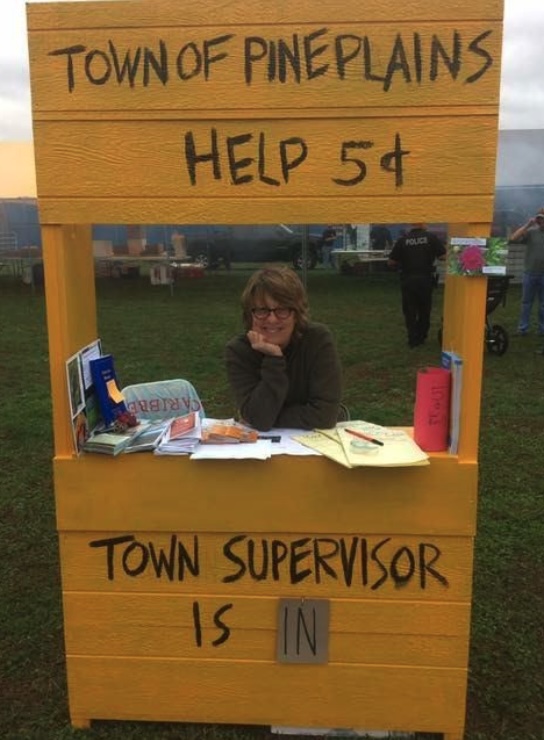
The author offering high-priced counsel.

DARRAH CLOUD is a playwright and has taught creative writing at Fordham, Wesleyan, Vassar, SUNY Albany, and Goddard College. In 2017 she was elected Town Supervisor of Pine Plains, New York where she served for 4 years, working successfully on initiatives in police policy and reform, clean energy, municipal investment, transportation, among many others. Her most recent play, House of McQueen, about the fashion designer Alexander McQueen, opened off-Broadway last year at Hudson Yards in Manhattan.
Photos by the author.
Add new comment